source code review uncover hidden vulnerabilities
Software applications are developed through thousands or even millions of lines of code that work together to deliver important features and services. While developers perform testing to ensure applications function correctly, some security weaknesses may remain unnoticed. Hidden vulnerabilities can exist within authentication processes, data handling methods, third-party integrations, and application logic. Identifying these weaknesses before attackers discover them is essential for protecting software systems. A detailed security examination helps organizations understand the risks present in their applications and take corrective actions before vulnerabilities can be exploited.
Many security issues are not visible during regular application testing because they do not always cause immediate errors. Some vulnerabilities remain inactive until attackers use specific techniques or conditions to trigger them. Weak access controls, insecure data processing, improper encryption usage, and flawed validation mechanisms are examples of problems that may remain hidden for long periods. A source code review helps security professionals analyze the internal structure of an application and identify weaknesses that traditional testing methods may overlook.
Security specialists examine application code to understand how different functions operate and how security controls are implemented. They review authentication mechanisms, authorization rules, input handling procedures, and data protection methods to determine whether they provide adequate protection. By studying the actual code behind an application, reviewers can discover weaknesses that may not appear through external testing alone. This detailed visibility makes it easier to identify vulnerabilities caused by incorrect assumptions or insecure programming practices.
One of the major benefits of security-focused code analysis is the ability to identify vulnerabilities at an early stage. Fixing security problems after an application has been released can be expensive and time-consuming. It may require emergency patches, system updates, and additional security measures. Discovering issues during development allows teams to address them before they affect users or business operations. This proactive approach reduces risks and supports the creation of more secure software.
Hidden vulnerabilities often occur because of small mistakes that accumulate over time. Developers may unintentionally introduce security weaknesses while adding new features, modifying existing functionality, or integrating external components. A source code review can reveal these issues by examining whether coding practices follow security guidelines. Reviewers can identify outdated libraries, unsafe functions, poor error handling, and insecure configurations that could create opportunities for attackers.
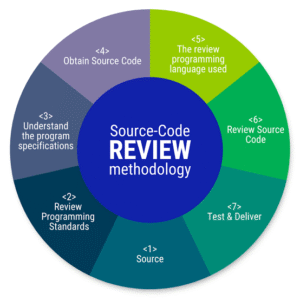
Can source code review uncover hidden vulnerabilities?
Another important area where security reviews help is identifying flaws in application logic. Some vulnerabilities are not caused by incorrect syntax or programming errors but by the way different features interact. For example, a system may allow users to perform actions they should not be able to complete because permission checks are missing in certain workflows. These types of weaknesses require a deep understanding of how an application is designed and used. Reviewing the code provides insights into these complex security concerns.
Modern applications often depend on multiple technologies, including databases, APIs, cloud services, and external platforms. Each connection can introduce additional security risks if not implemented correctly. Security reviewers analyze how different components communicate and whether sensitive information is properly protected during transfers. They also check whether third-party dependencies contain known weaknesses that could affect the overall security of the application.
Automated security tools are useful for detecting common coding problems, but they cannot always understand complex application behavior. Manual analysis by experienced security professionals adds important context by evaluating how code functions in real-world scenarios. Combining automated scanning with human expertise creates a stronger security assessment process. This approach increases the chances of discovering vulnerabilities that might otherwise remain unnoticed.
Regular security reviews also help organizations improve their overall development practices. When developers receive feedback about security weaknesses, they gain knowledge about common mistakes and better coding techniques. This continuous learning process helps prevent similar vulnerabilities from appearing in future projects. Building security awareness among development teams creates stronger applications and reduces dependence on emergency fixes.
Organizations operating in industries that handle sensitive information especially benefit from identifying hidden vulnerabilities early. Data breaches, unauthorized access, and application compromises can result in financial losses, compliance issues, and reputational damage. A consistent security review process demonstrates a commitment to protecting users and maintaining reliable software systems.
A thorough source code review can uncover vulnerabilities that may remain hidden during standard testing and operational monitoring. By examining how applications are built, how security controls are implemented, and how different components interact, reviewers can identify weaknesses before attackers exploit them. This approach strengthens application security, improves software quality, and helps organizations develop safer digital solutions in an increasingly complex threat environment.